
The psychological impact of gambling understanding the mind's hidden influences
The Allure of Gambling
Gambling is often painted as a thrilling pastime, but the psychological allure behind it can be deeply complex. The excitement of potential wins can trigger intense feelings of hope and anticipation, tapping into fundamental human emotions. This cycle of anticipation and reward is similar to other addictive behaviors, creating a compelling experience that draws individuals back to the gaming table, slot machine, or online casino repeatedly. Engaging in the aviator game may exemplify this excitement, showcasing the thrill of chance that many find irresistible.
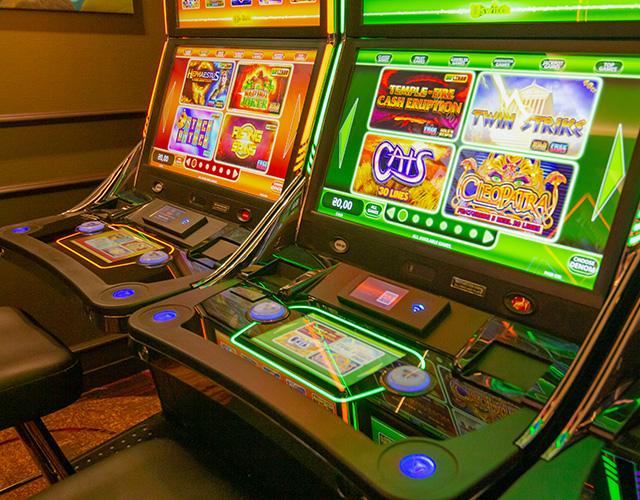
The brain’s reward system plays a critical role in this process. When a person gambles and experiences a win, neurotransmitters such as dopamine are released, leading to feelings of pleasure and satisfaction. Over time, this reinforces the behavior, compelling the individual to chase that high again, sometimes even at the risk of financial stability. This dynamic can create a vicious cycle, where the psychological need to gamble outweighs rational decision-making.
The Role of Cognitive Biases
Cognitive biases significantly impact how individuals perceive gambling outcomes and risk. One common bias is the illusion of control, where players believe they can influence the outcome of games based on skill rather than luck. This belief can lead to overconfidence and increased gambling, as individuals may assume they are more skilled than they actually are. The psychological impact of this bias can be detrimental, causing financial and emotional distress.
The Emotional Fallout of Gambling
The emotional consequences of gambling can be severe and multifaceted. While many experience initial excitement and joy, the inevitable losses can lead to feelings of guilt, shame, and depression. For some, gambling becomes a way to escape reality, masking underlying issues such as anxiety or unresolved trauma. This escapism can create a cycle where gambling exacerbates these emotional struggles rather than alleviating them.
The Influence of Celebrity Gamblers
The world of celebrity gamblers can significantly shape public perception of gambling. High-profile individuals often glamorize the lifestyle of a gambler, showcasing the excitement of high-stakes games and massive wins. This portrayal can create a sense of allure, drawing fans into the idea that gambling is a legitimate and attainable means of achieving success and fame, rather than a risky venture fraught with potential consequences.

Engaging with Digital Gaming Communities
Digital gaming communities have emerged as a modern space where individuals can explore their interest in gambling and gaming. These platforms offer forums for discussion, sharing strategies, and engaging in competitive gaming. However, while they can provide social interaction and camaraderie, they also have the potential to reinforce risky gambling behaviors. The culture within these communities can normalize gambling and blur the lines between casual play and compulsive behavior.
“`